Anodising: the process that decides how a sprayer feels
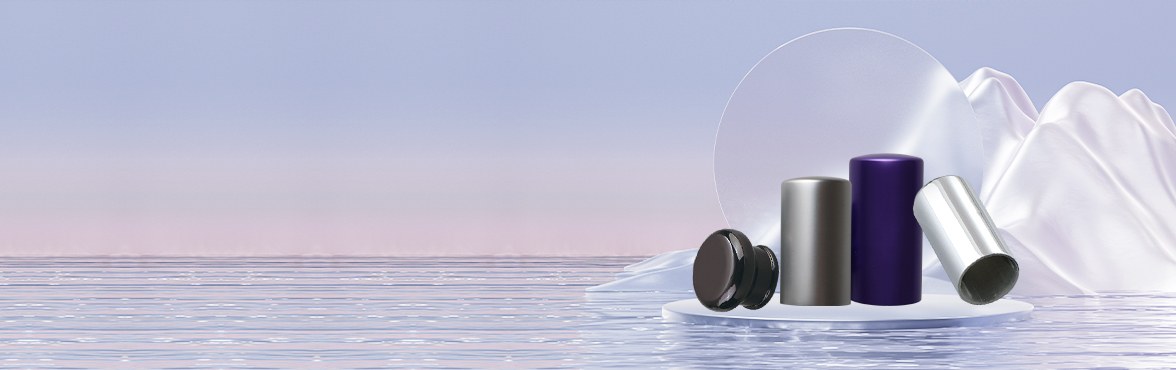
Anodising is an electrochemical process: the aluminium part becomes the anode in an acid bath and a controlled current grows an oxide layer out of the metal itself. Because the layer grows from the substrate, it cannot flake off the way paint can.
Two parameters decide the result. Bath time sets the layer thickness — typically 8 to 15 microns for cosmetic parts — and therefore hardness and corrosion resistance. Dye concentration and sealing decide colour fastness and gloss.
Sealing is the step customers rarely ask about and always notice. An unsealed layer accepts fingerprints and slowly loses depth of colour; a properly sealed one stays uniform through handling, packing and shipping.
We keep the anodising line in house precisely because it is the step where a supplier's promise and a supplier's output most often drift apart.