 13 Sep 2026
Why aluminium actuators dominate premium fragrance packaging
Plastic is cheaper. So why do most high-end fragrance brands still specify aluminium for the actuator and the …
 12 Sep 2026
Anodising: the process that decides how a sprayer feels
Colour, gloss and scratch resistance all come from one step. Here is what actually happens in the anodising li…
 11 Sep 2026
Custom sprayers for niche and indie fragrance brands
Small brands need a different conversation: low minimums, fast samples and a part that matches an existing bot…
 10 Sep 2026
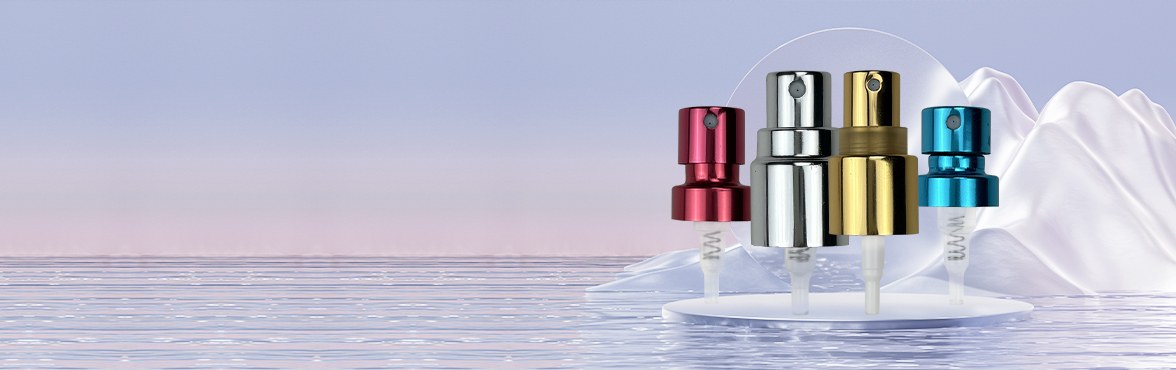
Leak-free and smooth: the two metrics we test on every batch
A sprayer that leaks ruins a bag. A sprayer that sticks ruins the brand. Both are measurable, and both are tes…
 09 Sep 2026
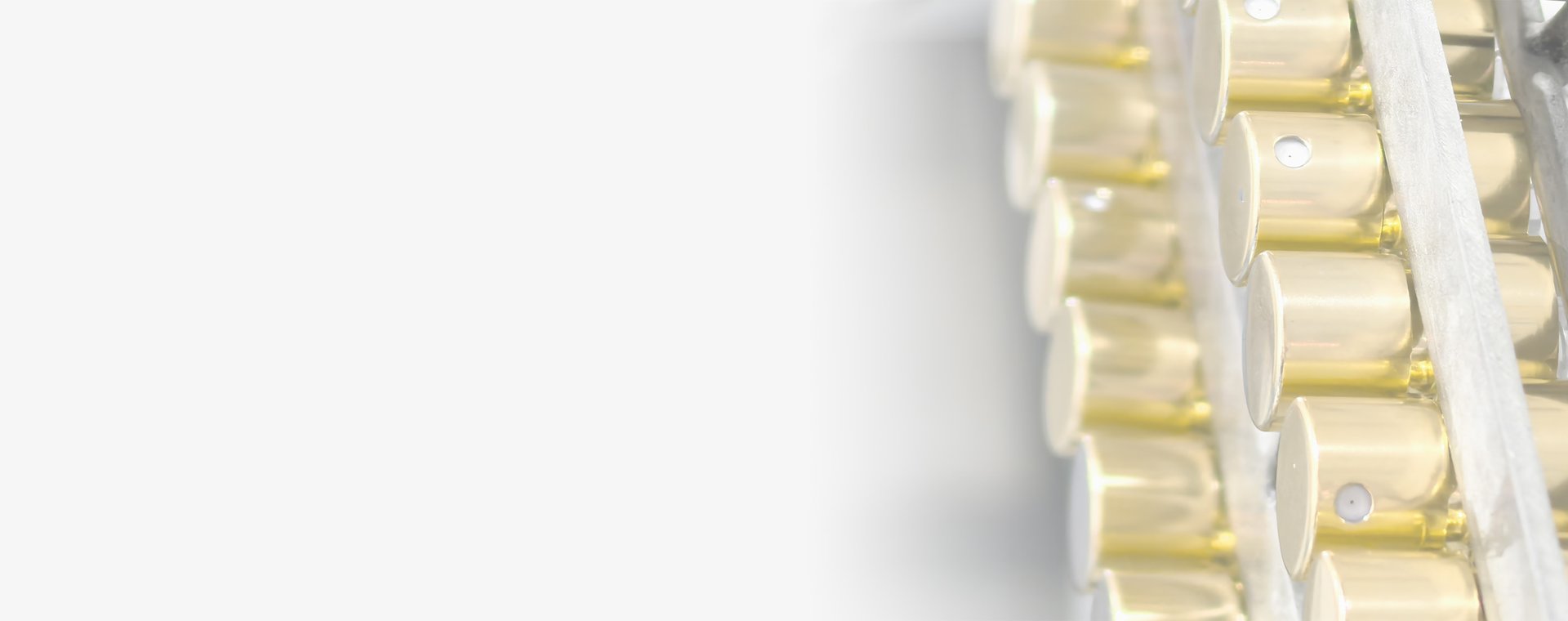
Tooling for very small aluminium sprayer parts
Micro stamping is a different discipline from ordinary sheet metal work. Wall thickness, burrs and tool wear a…
 08 Sep 2026
How a sprayer changes the way a fragrance performs
Droplet size, output per stroke and spray angle change how a fragrance lands — and how long it lasts on skin.
 07 Sep 2026
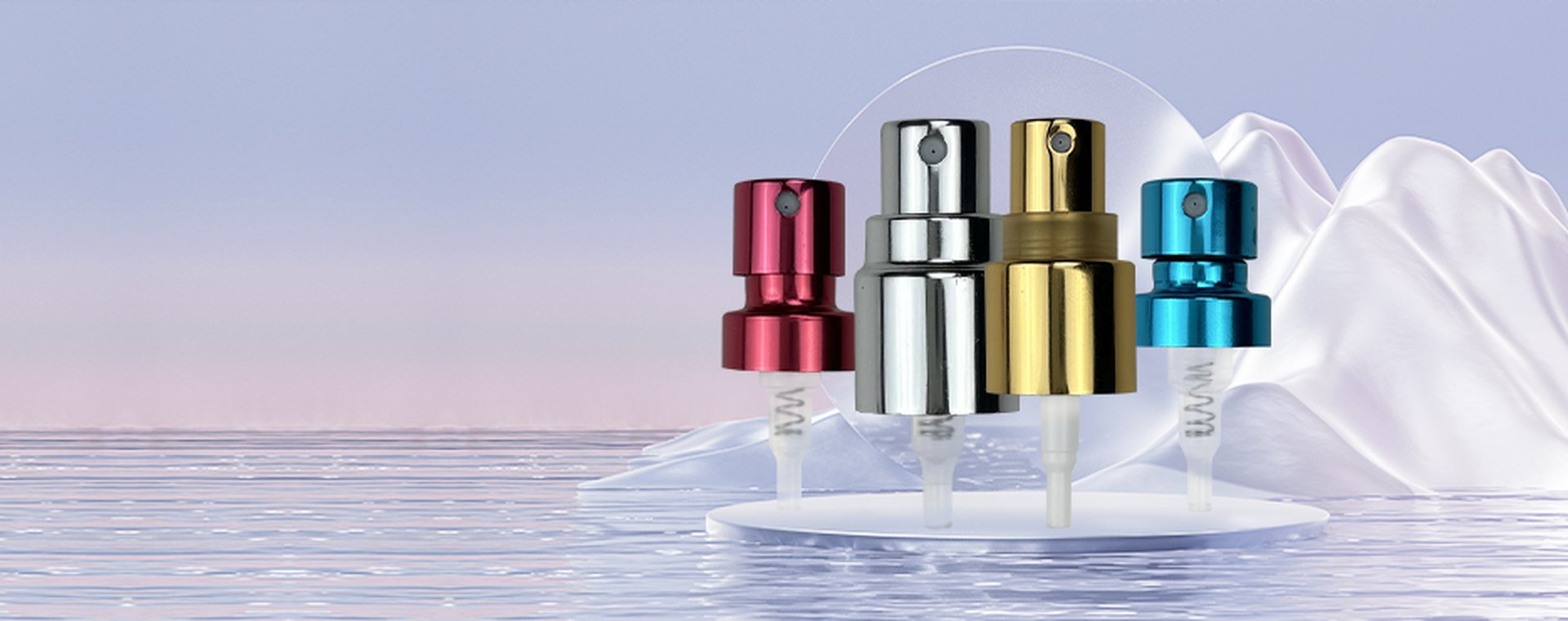
Inside a perfume sprayer: head, orifice and dip tube
Four components, one behaviour. A short walk through what is inside the part you press.
 06 Sep 2026
Electroplated sprayers: process, properties and where they are used
Plating delivers a metallic look at a lower cost than solid aluminium. It also has limits worth knowing.